
In Wasia's Wake
Everyone's identity is made coherent through (anti-)Blackness and nothing hurt

So it has been an interesting past few weeks since the Wasia bubble burst after their bumbling ill-adviced bicoastal biracial meet ups. Having no idea they were happening I unwittingly published my “Abolish Wasia” piece just days before the meet ups and the discourse storm they inspired. Really fun stuff!
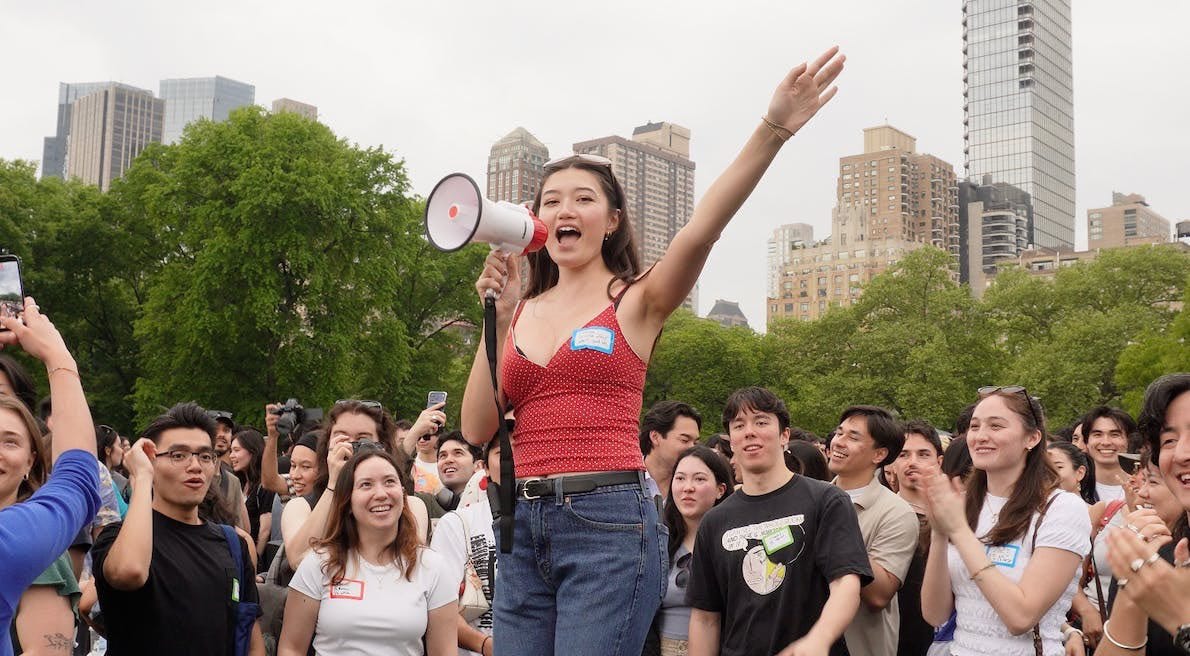
There were a lot of different responses to my deciding to wade into the mess of conversation around the Wasian time in our lives we collectively find ourselves in right now, I would say largely positive if not at times confused by things like my very intentional choice of title. There was still the expected pushback, like “girl, what’s it matter to you if a bunch of mixed people meet up anyways? How is that your business?” to which I quickly clarified “I’m Black, race is always my goddamn business.”
Another reaction that has stuck in my mind in particular is the way I have explicitly been told I didn’t understand what Wasians experience or are looking for in these meet ups because of my race.
I said repeatedly that while yes, I’m Black I am also mixed from a creole family, with members of my family having experienced much of what all the Wasians were saying went through—people not thinking my parents were my parents, my mom being asked if she had multiple baby fathers, my cousin being assumed to be her own child’s nanny, the list goes on. Mind you, all of can also happen to people who aren’t mixed, ambiguous and/or light skin, but apparently if you’re Black specifically, mixed or not, no it can’t. According to Wasia, we don’t experience the same disconnect because Black must mean we belong somewhere coherently and statically, in no small part because others use Blackness to belong somewhere and locate themselves.
The fact is that the way non-Black people’s legibility is gained is often ironically enough through the very language, frameworks and cultures of Black people who non-Black mixed people try to exclude and to deny, who are naturally pushed from Wasia even as Wasia takes what they will of us.
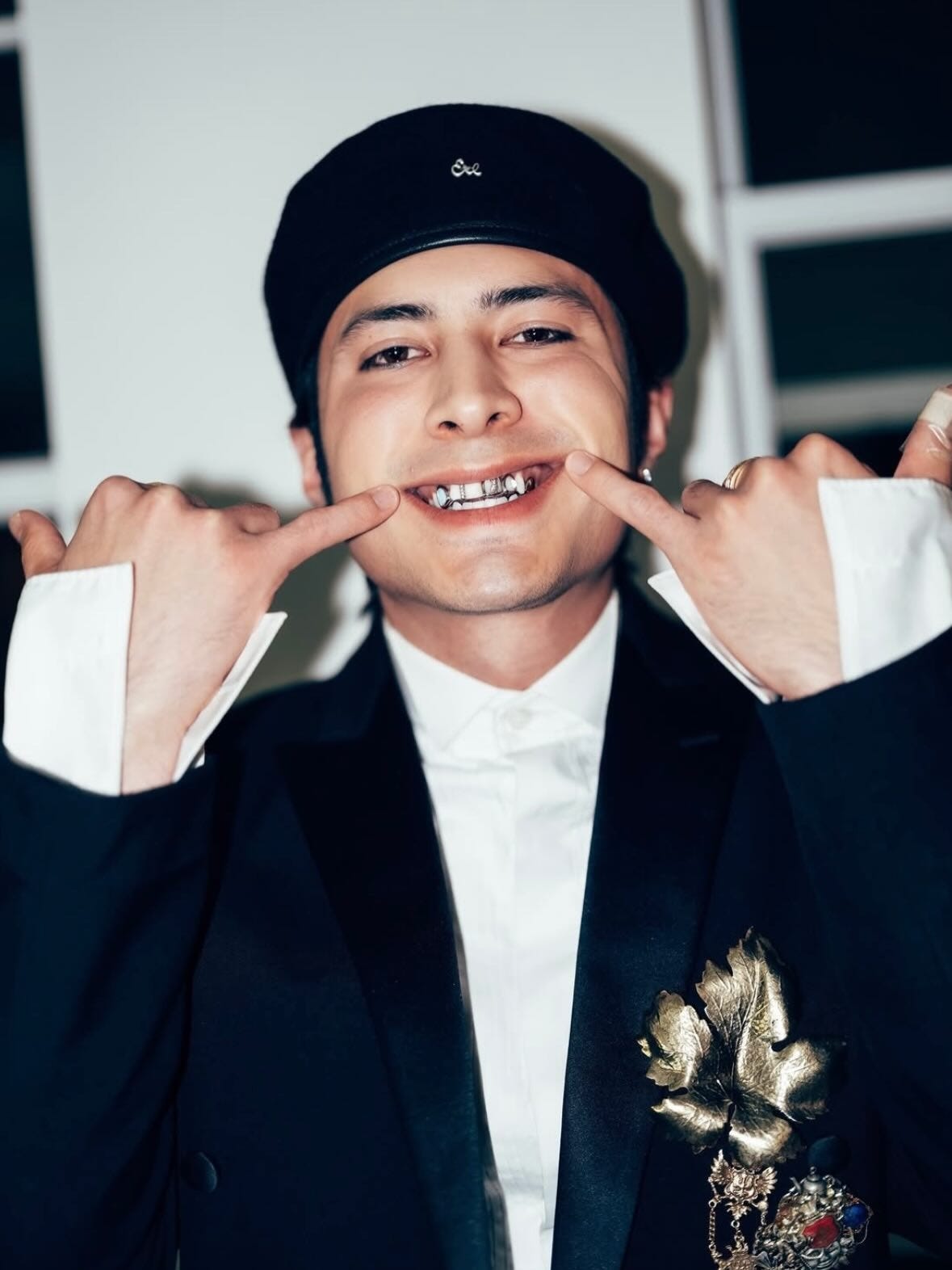
From white youths in the early-to-mid 20th centuries flocking to jazz music and taking on “Cool” and “Hip” for themselves while Black soul, blues and jazz artists were surveilled, sanctioned, policed and pushed out of the country, South Asian men’s obsession with Drake, the broad adopting the accouterments of southern hip hop culture like grillz and trap music while being wholly un-preoccupied with Black Southerners— In trying to define and form oneself as counter to majority culture, non-Black people, including non-Black people of color, have long relied on Black culture to set themselves apart and to lend themselves legibility, all while Black people are erased or the issues concerning our lives are considered too political to engage, even though everything about our cultures, how and why we formed them, are deeply political.
Black created lexicon of our own like “hip” and “cool,” and where we crowned our people as kings and queens because we were ripped from our lingustic honorific cultures and structures while not allowed to participate fully in white ones, because our Native languages were erased, so we made a home in a foreign colonizer tongue that we were often not as literate in by design. Black people rock jewels in their teeth to signal a come-up from the hood, from the trap, that no one would have ever guessed would happen, that no one rooted for, no one but other Black people. These things have contexts within our lived experiences. These are things that others can’t relate to unless they experienced it personally and generationally.
Given this, I don’t think it’s the worst thing on earth to ask for people to consider the contexts and implications of gatherings that explicitly avoid or reject convos on race and Black mixed people while still existing in a context of relying on so much about Black struggles, language and culture to make itself visible. We should be more cognizant in a world where the model minority stereotype, as harmful as that is, all the way to the access mixed-with-white Asians have to whiteness as well, exists in a continuum with anti-Blackness and colorism inextricable from it. These things considered, I think it’s fucking OK to maybe expect people to think about it, even if they were mostly kidding about the meet up. Often a joke is a confession, and as I said in my last piece, I think there’s a lot more we need to be willing to dig into even if it brings up discomfort.
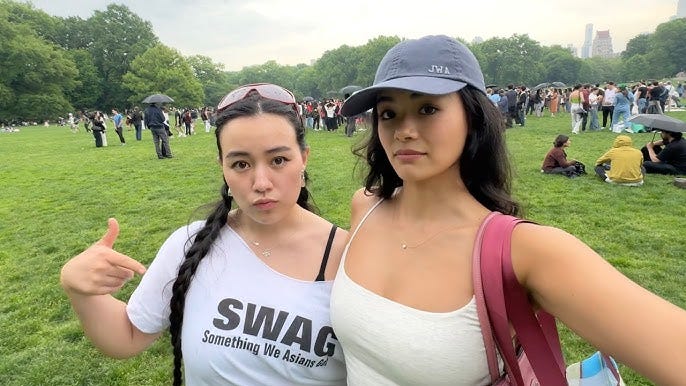
Putting on the vestiges of popular culture while summarily excluding the communities this culture comes from is just crazy work.
At the core of Wasia wave is an ask for an anti-Black, exclusionary, liberal orientation to race, for stabilization and visibility in a system that requires the erasure and exploitation of others. This doesn’t have to be an active or conscious choice to be true, as is the case with any and all systems of oppression, and it doesn’t have to be the way mixed identity is navigated at all, but without conscious effort to counteract it, that’s the rotten fruit you’re going to get.